
Issue 52 - Contents
The many lives of an image: a conversation with Keisha Scarville
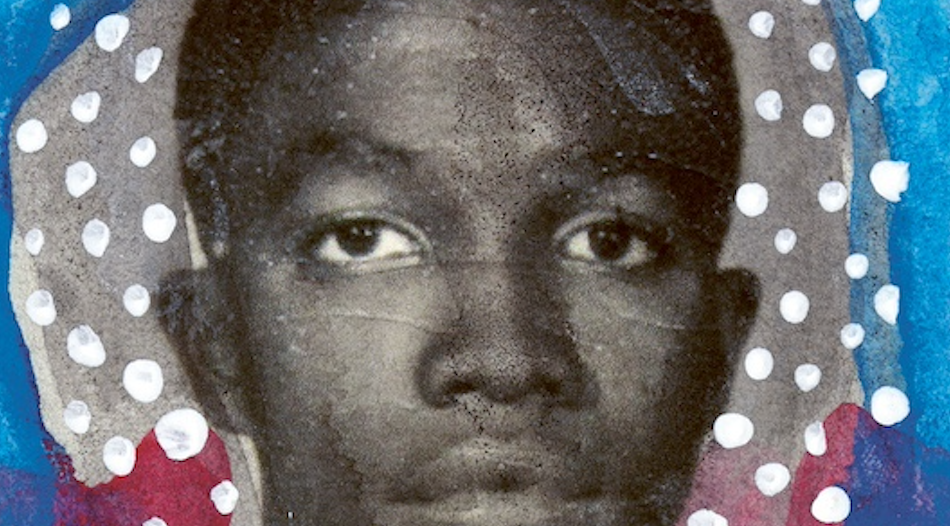
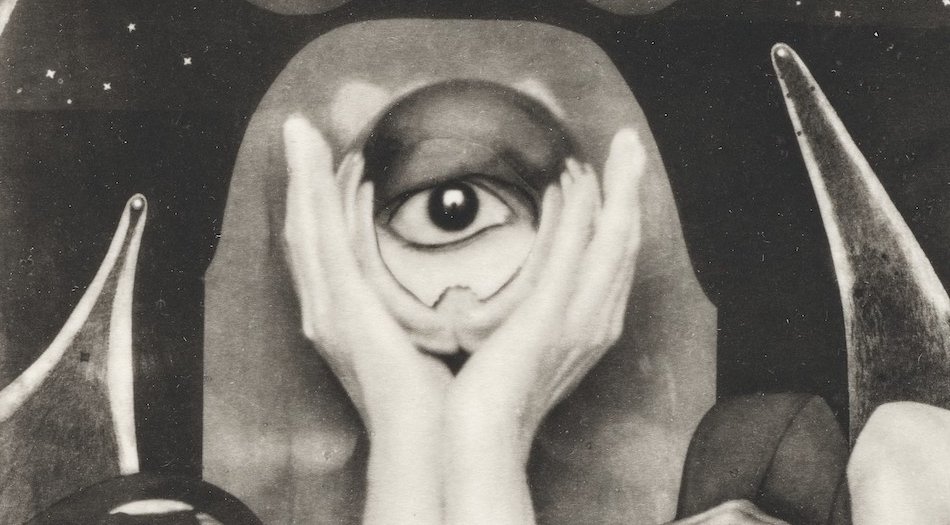
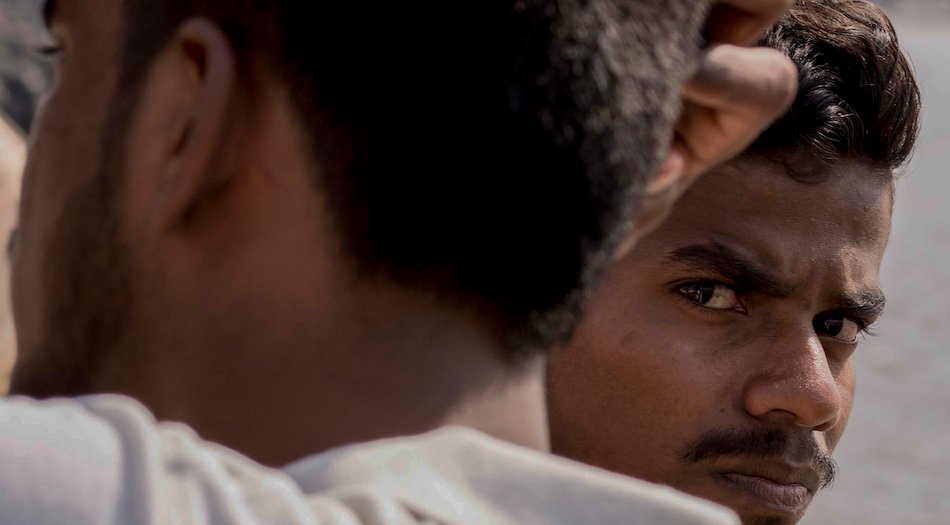
Since 2012, Keisha Scarville has reworked her father’s first passport photograph more than 300 times, using paint, beads, gold leaf, glitter and found imagery. Published by MACK, her new book, Passports, brings this evolving body of work together with archival photographs, transcripts of conversations between Scarville and her father, and a new text by Tina Campt. In this conversation, Lou Mensah speaks with Scarville about bureaucratic images, inherited histories and the shifting meanings of photography.
Against nostalgia: Tish Murtha and Kuba Ryniewicz at Baltic, Gateshead
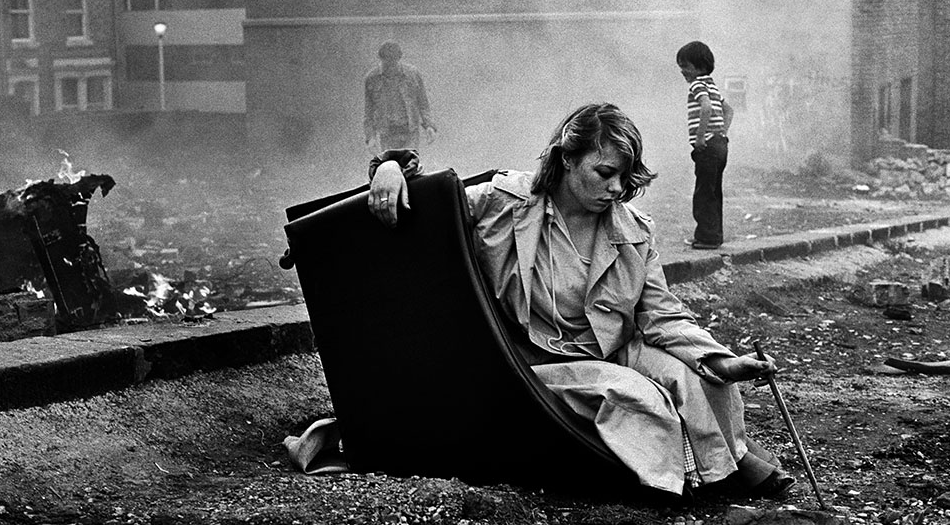
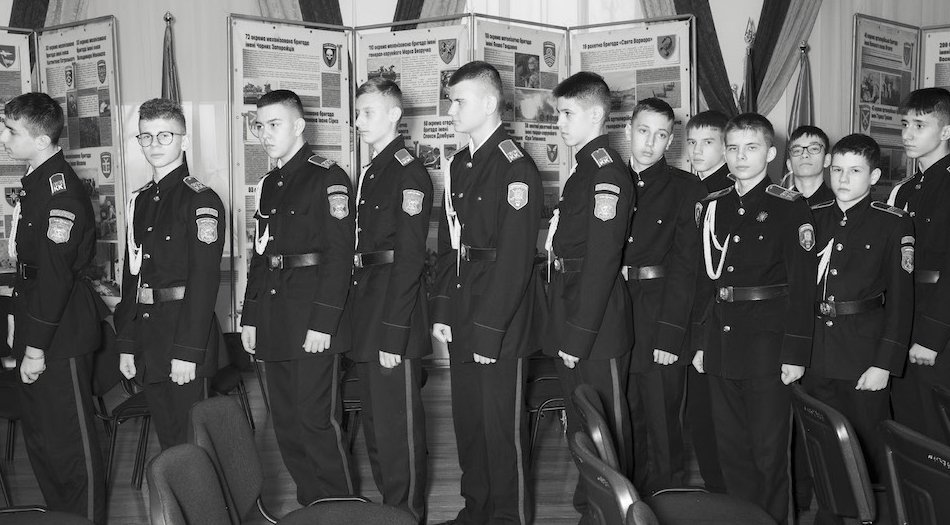
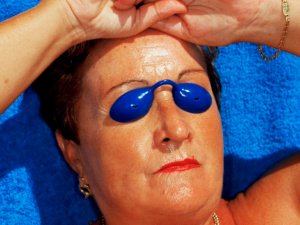
Close to Home, the Baltic Centre for Contemporary Art’s latest exhibition, pairs Tish Murtha’s tender, furious social documentary with Kuba Ryniewicz’s queer, exuberant visions of joy, intimacy and resistance. Bringing two generations of marginalised lives into unexpected dialogue, the exhibition asks what it means to photograph a community – and who gets to shape its history – while offering a chance to rethink Northern working-class imagery beyond familiar narratives of deprivation, towards a history that is more plural, unruly and still being made, Lillian Wilkie writes.
The limits of juxtaposition: Arthur Jafa and Richard Prince at Fondazione Prada, Venice
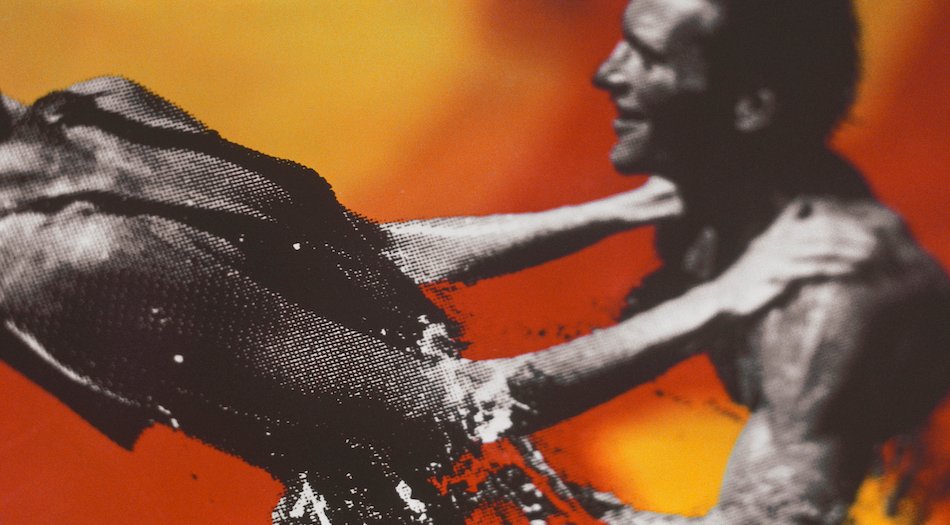
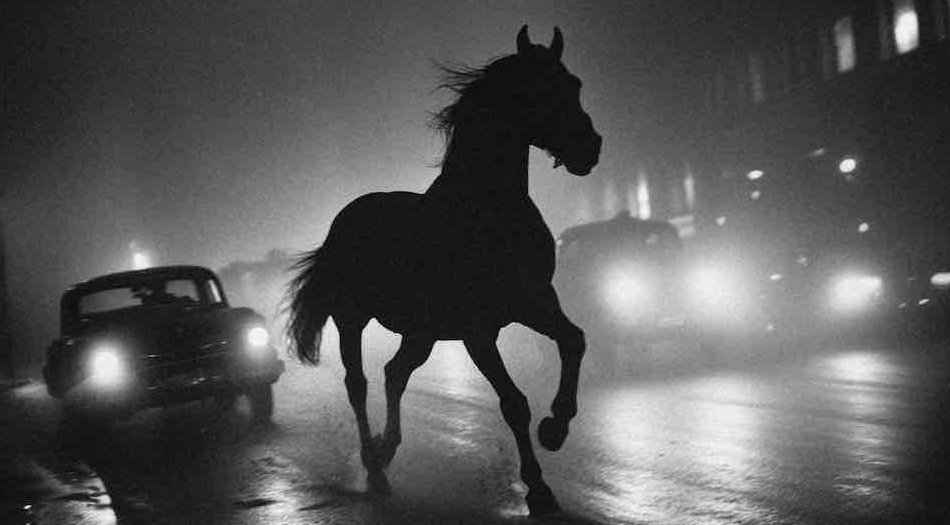
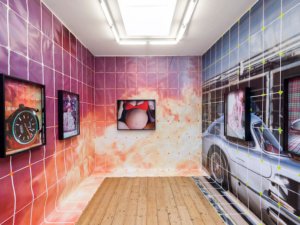
During the 61st Venice Biennale, Nancy Spector’s Helter Skelter: Arthur Jafa and Richard Prince at Fondazione Prada’s Ca’ Corner della Regina functioned as the unofficial US pavilion. The exhibition is ultimately ‘about' America, writes Peter Watkins – its images, violences, fantasies, and distortions – but that ambition is also where its problems sharpen, as the pairing of Jafa and Prince threatens to compress two complex practices into an overly neat art-world conversation.
Between pose and presence: on Farren van Wyk’s Mixedness is My Mythology
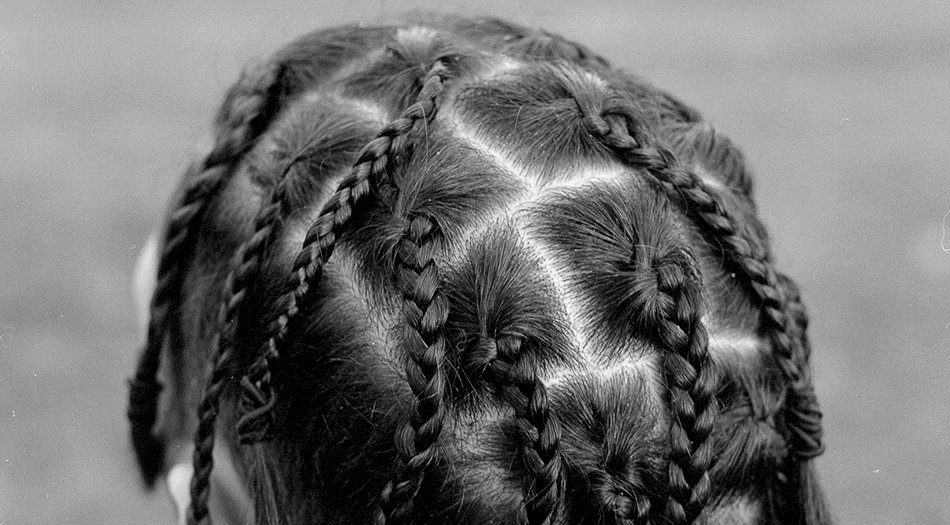
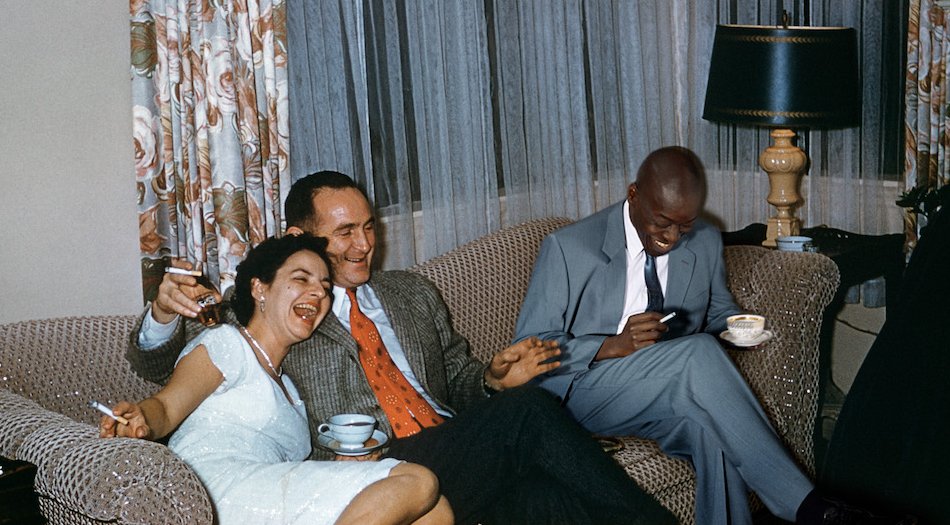
Farren van Wyk’s first solo museum exhibition, at Fotomuseum Den Haag, turns the camera towards her own family while drawing on the visual histories of anthropological photography, portraiture and colonial representation. Born to a South African mother and Dutch father, Van Wyk was classified as ‘coloured’ before moving to the Netherlands at the age of six. In Mixedness is My Mythology, made with her parents and brothers on the family farm in Putten, her carefully staged analogue photographs explore how identity is shaped through pose, performance and the act of representation itself. Bas Blaasse writes about a body of work that examines how photography negotiates the terms of visibility, revealing how family, history and belonging are not only recorded but constructed through images.
The ethics of looking at a mother
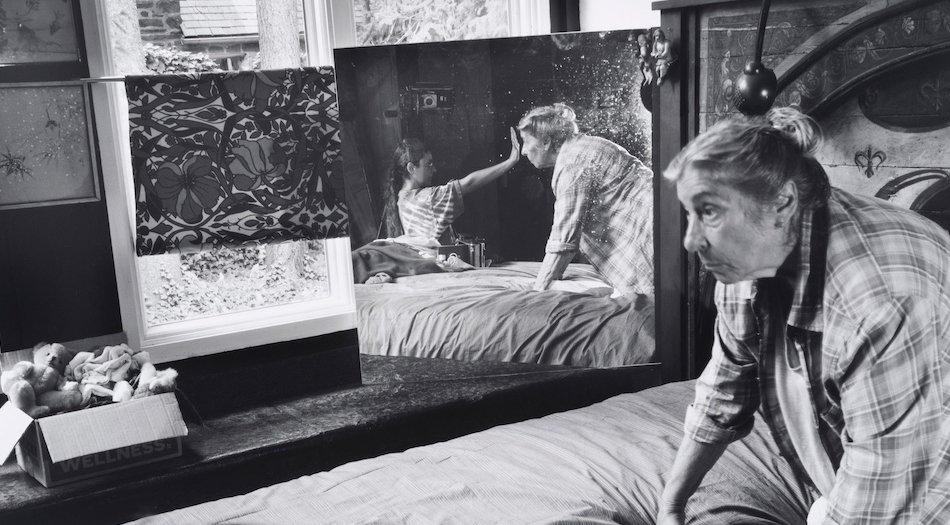
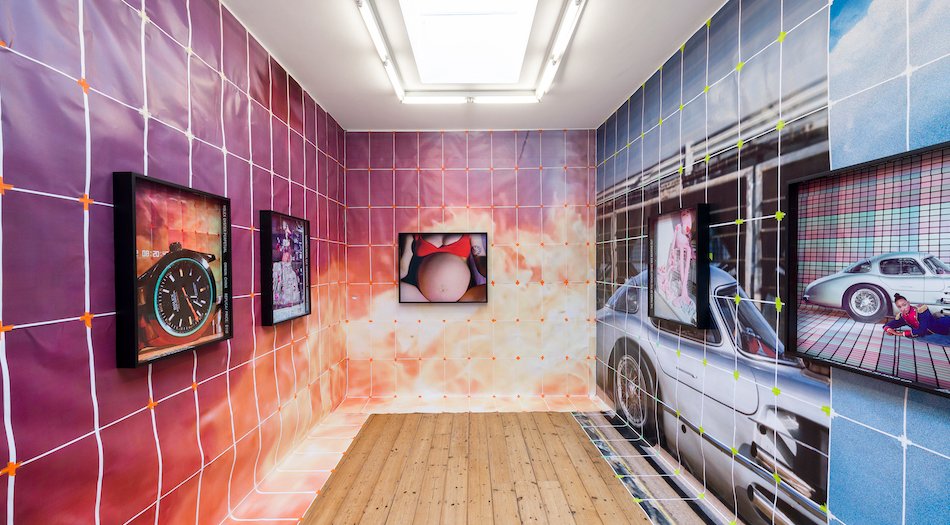
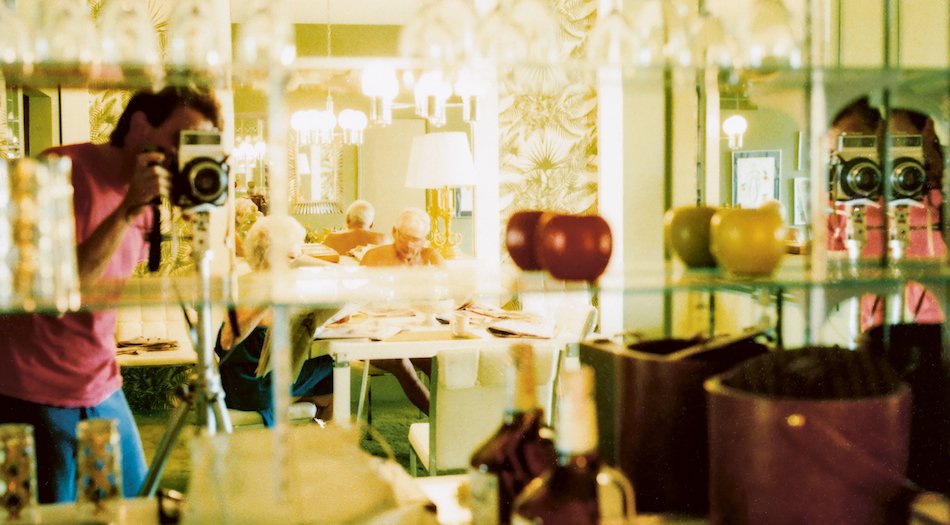
Katherine Hubbard’s The Great Room has the makings of a modern classic, and its presentation at Vienna’s Secession marks the artist’s first institutional solo exhibition outside the U.S. Joining Hubbard and her circle on the opening night, Peter Watkins finds something stranger and less settled than a documentary about dementia, caregiving or the ethics of consent. Staged photographs, mirrors, bodily contact prints, and reconstructed rooms show a mother and daughter continually remaking their roles, testing who looks, who holds power, and what it costs to make grief public.
Mark Sealy’s vision of photography beyond critique
Guided by Mark Sealy’s artistic direction, the 9th Triennial of Photography Hamburg brings together 279 international artists across 11 exhibitions throughout the city, centred on the theme Alliance, Infinity, Love – in the Face of the Other. Drawing on the ideas of Emmanuel Levinas, bell hooks and others, the festival reimagines photography as an ethical encounter, inviting viewers to consider alterity, difference and the possibility of a shared future. Visiting the Deichtorhallen, Tim Clark notes the boldness of this approach, observing how love in art and exhibition-making risks smoothing over structural inequalities, yet done right, might prompt us to consider what photography can help us become, rather than simply what it can depict.
Books
1000 Words
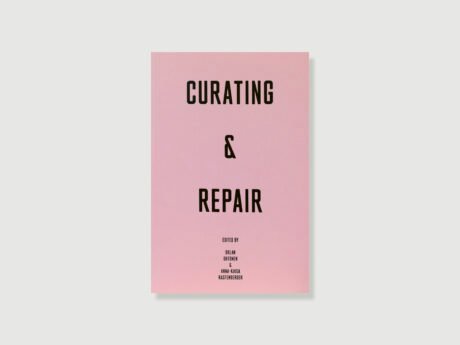
Curating & Repair
£21.99
Features

10 Must-See Exhibitions: Autumn 2026
Previous Issue
Advertisement

About
1000 Words is a leading online magazine and publishing platform dedicated to contemporary photographic culture. Founded in 2008, it commissions exhibition and photobook reviews, essays and interviews in response to the visual culture of our time. Its editorial mission is to explore the evolving possibilities of photography while fostering dialogue around contemporary practice, curation, criticism, and theory.